Queen Vashti and the #MeToo Movement
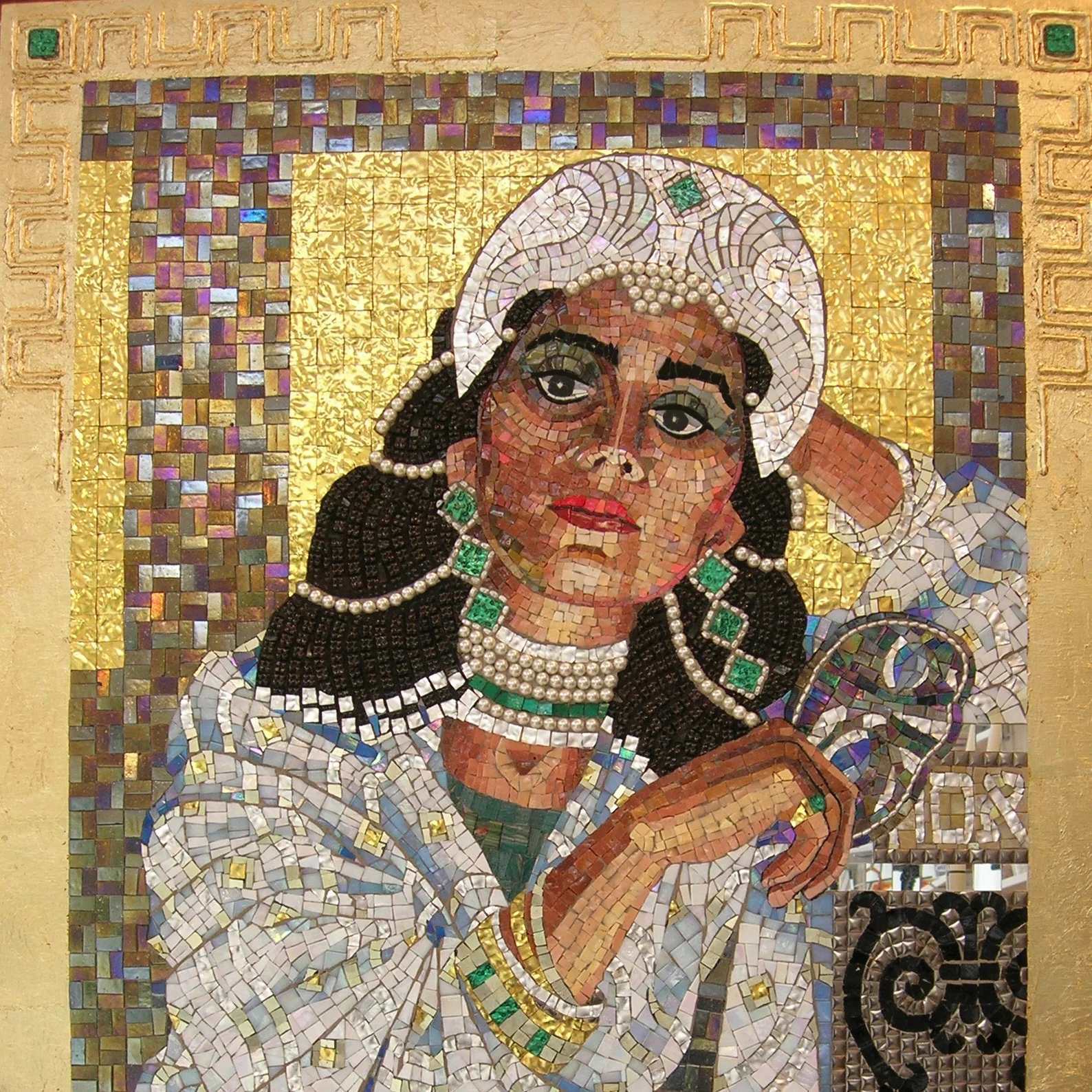
Queen Esther Revealing Her Identity from a stunning series of contemporary mosaics of the Purim story by Lilian Borca
Historical Background
The Book of Esther takes place in the Persian empire c.537 BCE to 333 BCE, specifically set during the early 5th century BCE when Xerxes I (Ahasuerus) ruled. More importantly, the story of Esther is set when the captured Jewish people were living in Susa and the greater Babylonian region under the rule of the Persian empire. A few generations before King Xerxes, the Persian conqueror Cyrus the Great allowed displaced Jews to return to their homeland and begin rebuilding their lives and the temple, but not every Jewish person left Babylon. Some stayed to live under the influence of their Persian captors.
Most of these Jewish people who stayed in Persia interacted with the Persian population within the lower class society, as well as the upper educated elites that held authority. It is of the latter that the Book of Esther engages with. For example, one of the main characters in the story (Mordecai) is a high ranking official within the Persian royal court. “Mordecai son of Jair...a Jew living at Susa and holding high office at the royal court.” (Esther 1.1 Apocrypha Addition)
Resistance
A major theme of the Book of Esther is resistance; more specifically, how can a captured people resist in ways that won't get them killed. There are three main ways in which the characters in Esther resist: denial, deception, and by force. But I want to focus on a non Jewish character who resists King Xerxes--Queen Vashti.
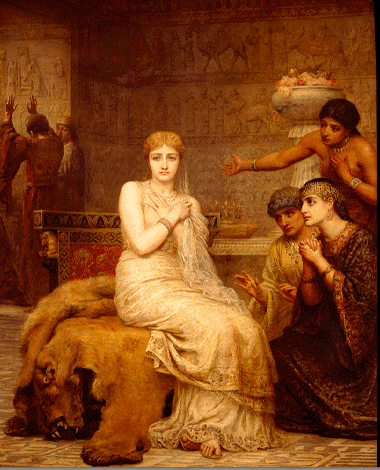
Vashti Refuses the King's Summons, painting by Edwin Long
Vashti is an important figure in Esther because she is the first account and exemplification of using denial as a strategy of resistance. In response to King Xerxes wanting to put Vashti on display during his banquet because of her beauty, the queen responds by denying the king’s request. In other words, Queen Vashti disobeys a royal command coming directly from the king.
This refusal to adhere to the king’s command was no small transgression, for the author describes the chaos that ensues. The author displays a king that has no power over his own subjects, especially his own wife--a horrific experience for a patriarchal empire. Queen Vashti’s use of denial shows the power of saying “No” to an authority figure, and by doing so unveils a king that overcompensates in his response by becoming infuriated, needing the counsel of the royal court, and issuing an edict so that no woman can deny her husband’s command.
#MeToo
Queen Vashti is a powerful female figure whose story can be told today for the empowerment of women, especially in regards to sexual harassment.
There is movement on social media sparked by the Harvey Weinstein sexual harassment lawsuits and created by women claiming that what Weinstein did to those brave women coming forward has also happened to them. #MeToo began trending on social media platforms as a way for women to speak about how they have been victims of sexual harassment/assault. Coverage of this social media movement has created a dialogue about how women are resisting and can resist sexual harassment, and that the #MeToo movement is a way of telling men that women will not be idle when sexually harassed/assaulted.
I believe that the story of Vashti can help show us how a powerful woman in the bible said No to being degraded and harassed in public. Though the reader is not told as to the specifics of Xerxes’ command, one can guess what is implied by him wanting to show off her beauty at his party with tons of wine flowing. Queen Vashti knew what his intentions were and stood up to the most powerful person in the known world at that time by refusing to comply with his sexual harassment. In our modern context Queen Vashti is saying, “Me too. No more. No.”
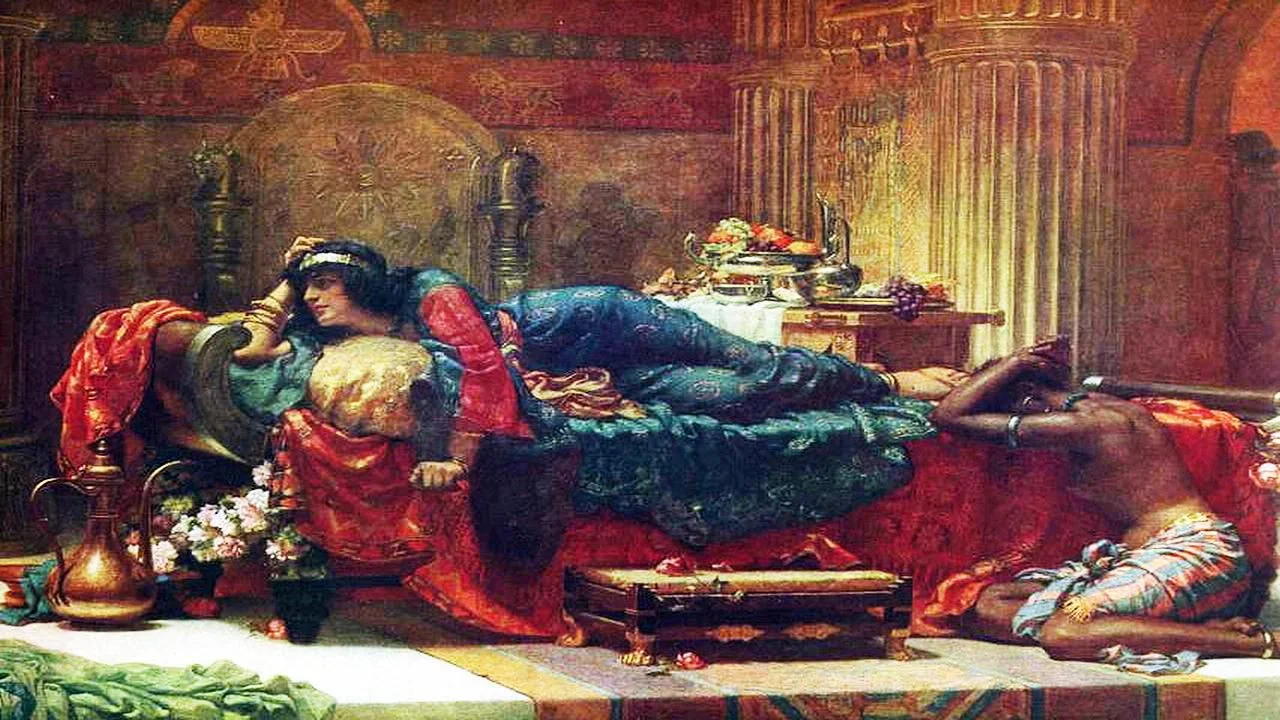
"Vashti Deposed" by Ernest Normand, 1890