I Believe in Jesus Christ, His Only Son Our Lord
Let us now move into how God came into this world, or better yet, how the invisible God became visible; that is, through Jesus as Christ. First dear reader, one should acknowledge the role of Jesus during the creation. It is impossible to ignore what the writer(s) of the Gospel of John say about this mystery.
In the beginning was the Word, and the Word was with God, and the Word was God. He was in the beginning with God. All things came into being through him, and without him not one thing came into being. (John 1.1-5)
Meister Eckhart provides a wonderful philosophical exegesis regarding this passage. He begins by using imagery of a seed to describe how Jesus--the Word--was with God in the beginning of creation, and revealing Christ’s relation to God. “What proceeds is in its source; it is in it as a seed is in its principle, as a word is in one who speaks; and it is in it as the idea in which and according to which whatever proceeds is produced by the source.” (M. Eckhart) What should be emphasized here is the concept that whatever is produced by the source (i.e. the tree/Christ/Son/material body/existence) contains in it the idea of the original source (the seed/God/Father/spiritual body/non-existence). Drawing upon this statement, one can conclude that because Jesus Christ--Jesus being the human/material aspect and Christ representing the divinity--was with God in the beginning as the Word, not above God nor below God, but with God. God became embodied as the material universe through Jesus. This is what is meant regarding Jesus as God’s only Son. Though Jesus only referred to himself as the Son of Man in the New Testament, one can understand the statement (His only Son) if it is placed in its historical and cultural and patriarchal context--for example the son inherited or took over after the father, or that “A son is one who is other in person but not other in nature.” But what does this mean for us, the Children of God? Must we too create another universe to become heirs of God’s kingdom? No, for we are already a macrocosmos within a microcosmos. Indeed, this truly awe-some mystery of our Lord Jesus Christ informs my entire understanding of mysticism, and it is embodied within me--and all of humanity--through the belief in theosis and the praxis of contemplative prayer.
Bernard McGinn describes Christian mysticism as a set of “beliefs and practices that concerns the preparation for, the consciousness of, and reaction to (or effect of) what mystics claim is the immediate or direct presence of God”. Often, people who study mysticism or consider themselves to be mystics only want to discuss or feel the direct experience of God without progressing spiritually for the purpose of totally receiving God’s presence. What I mean by this is that the focus becomes more on the experience rather than the spirituality and practices of a certain saint or mystic. This is problematic considering the hyper-individualism of society and the constant bombardment from the world for instant-gratification. Rather than the experience of God being something which one works toward for his/her entire lifespan, it becomes a spiritual commodity which seekers become attached to and yearn for. Therefore, the emphasis of my theology, philosophy, and greater ministry highlights a teleological theosis through a continual contemplative practice. Though I will discuss the teleological aspect of theosis later, I should mention that theosis--or the divinization of the human, or human becoming God-like/Christ-like--can happen in one’s lifetime and does not need to be categorized as eschatological in nature. Instead, theosis is a wonderful and spectacular mystery that even you, faithful reader, can enter into. It is the union of the human with the divine, or vice versa, which transcends all knowledge and reason. Moreover, one of the most important rituals in Christianity that embodies and represents this mystical tradition is the eucharistic sacrament.
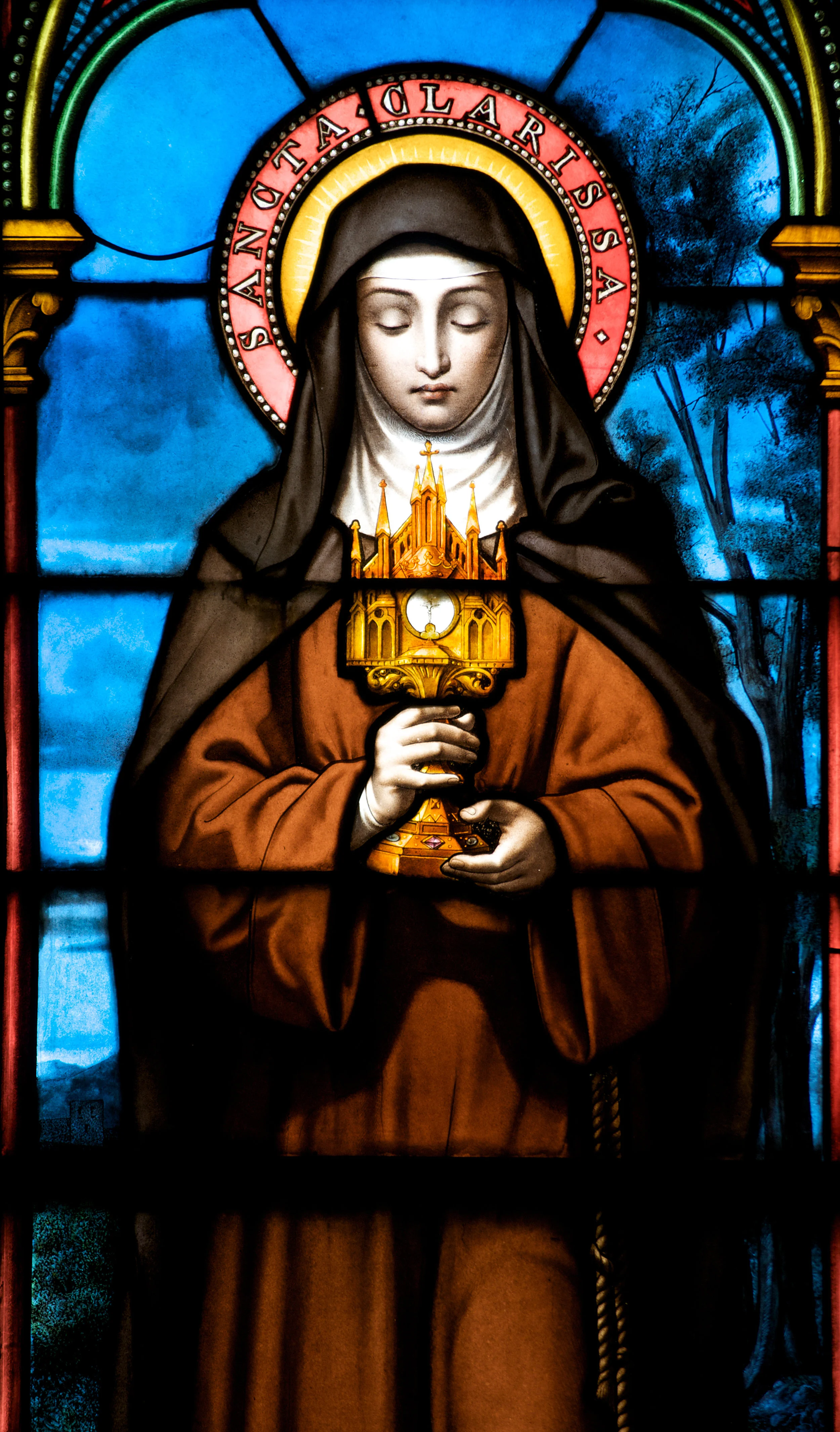
As mentioned above, God became embodied in this world through Jesus as Christ. This embodiment is ritualized and has been acted out through the sacrament of the eucharist since the beginning of Christianity. And not only does the sacrament represent God’s incarnation in the world, but it also is an example of how we as humans can enter into theosis. As one walks up to the altar to receive the eucharist, one is to contemplate what substances are being represented. The bread and wine, the body and blood, and the material and spirit. A symbolic trinity of the dualistic nature of God, Jesus, and humanity. Indeed, if we humans are created in the image of God and the Son of Humanity as both material existence and ethereal energy, then we too can unify both our bread and wine, our body and blood, and our material and spiritual existences. The eucharist is the example of theosis that is ritualized for us so that we may enter into the unity of the Godhead because it allows us to experience divinity through our bodily senses, which then triggers the senses of the soul that leads to a spiritual transformation within us every time we walk to the altar.
[Jesus] led me on to understand that the sign of bread testified to his hidden presence, not only during the Great sacrifice, but at all times, since the Eucharist was not an isolated moment in my day, but a line which stretched over twenty-four hours: his is God-with-us, the realization of what had been foretold by the cloud that went before the people of God during their journey through the desert, and the darkness which filled the tabernacle in the temple at Jerusalem.(A Guide to Prayer for Ministers)
Jesus is not only God’s Son as we have seen, but he is also our Lord. When presented with the title ‘Lord,’ one often imagines a kingly/queenly figure or one of authority and rulership. The Lord is someone whom one must bow to when in his/her presence, admire or look up to regarding making difficult decisions, always respect and be loyal to, and follow him/her into the greatest of struggles. It is no different for understanding Jesus as Lord. Indeed, it is a far greater choice to have Jesus as Lord rather than the worldly kings, queens, presidents, or other politicians, for Jesus rules both heaven and earth. His ways of ruling both of these realms, moreover, is a great example for Christians to follow. He leads by peace, justice, and mercy. He feeds the hungry, and helps the poor. He curses the hypocrites that selfishly hoard the world’s treasures as their own. He heals the wounded, guides those who are lost, provides shelter for those in need, and gives his life to make better living conditions on earth. And because he is a Lord, he requires us to do his work with him. In other words, we are to allow him to do his work through us as we follow his example of alleviating the terrible suffering in this world. This is his role indeed as Lord, to help all those who suffer by ruling through Love; thus, telling us--his followers--where to go and how to do it. We are the tools in which God, through Jesus’ communion with our body and spirit in the holy mystery of theosis, uses for creating the Kingdom here on earth as it is in heaven.