The Orthodox Church and LGBT Inclusion Pt. 1
I recently took a class regarding how the Orthodox church understands ethics through the lens of theosis. One can best understand theosis as the soul entering into unity with God, the divination of humans through Jesus, or one being transfigured into God. This may seem heretical, but unification of the human's soul with God is the central telos (end goal) of all mystics and mystical theologies of every religious tradition. The role of ethics in theosis is understanding how an individual can achieve this unification through correct action and discernment.
We are required to have a research topic which examines how the Orthodox church uses the ethics of theosis in response to certain issues and problems. Some students/priests in the class have chosen topics such as cremation or just war theories; I on the other hand, have chosen the topic of how the Orthodox church is responding to the cries of persecution and oppression from its LGBT children within the church.
Let me start by saying that the Orthodox church has a special place in my heart because of its theology and hesychastic praxis. The church also emphasizes the importance of the body and its connection to the macro-cosmos, and even St. Nicodemus of the Holy Mountain would say that the body is the macro-cosmos and the earth and stars are the micro-cosmos. Its theology is that of actual practice rather than heady discussions and debates on the dualistic nature of reality or the ontology of humans. Overall, they are concerned about teaching and guiding one into theosis through prayer and asceticism (practice). But discussing LGBT equality within the church is another story.
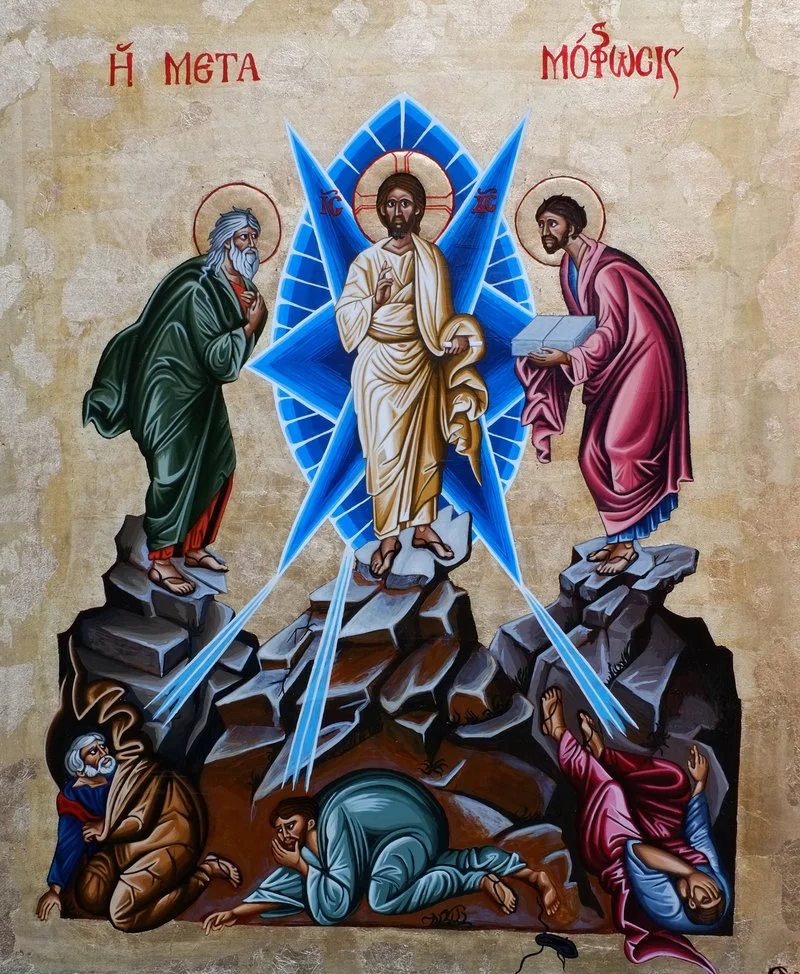
It's sad because Orthodox theology can be so beautiful and transformative, yet fear of 'the other' holds the church back from progressing into its own community wide theosis. For the LGBT community, the theology of theosis could help individuals better understand how becoming their true selves actually lets them enter into divine communion with God. The bodily theology of the transfiguration in the Orthodox church can allow people to become their highest self, acknowledging that they too are created in the image of God regardless of their identity/ies. Yet Protestant/Queer theologians aren't (to my knowledge) using the concept of theosis when developing their systems of thought, and Orthodox theologians are bound by their tradition and unable to form such a theology.
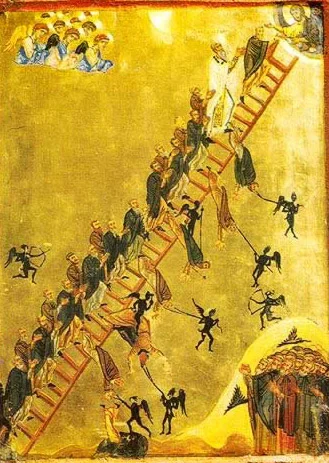
Therefore, in my class I am using the Orthodox's theology not against them but for their own illumination. What I have learned so far is that if one is trying to understand the role of theosis for the argument of LGBT inclusion within the Orthodox church--open and affirming inclusion being the telos--one must ascend the teleological ladder into theosis by examining: the church’s relationships with modern authorities, LGBT communities within and outside of the church, the ancient church fathers, and the biblical scriptures; the role of eros (love) and sexuality within theology and practice; and marriage equality as the last rung of the ladder which not only leads LGBT individuals into theosis, but also the church community as a whole.
This is only the beginning of what could be the next great liberation of theology within the Orthodox church. Theology and practice is already ripe for the harvest, LGBT Orthodox Christians just have to reclaim the fields.