The Orthodox Church and LGBT Inclusion Pt. 2
(My moral argument--a final project-- that I presented in my Orthodox Ethics course. Both Orthodox and Catholic clergy thanked me for these words.)
This topic I chose was mentally, physically, emotionally, and spiritually draining. On the one hand, I wanted to drop the class, slam my laptop closed, or throw my books out the window… But I fell in love. I fell in love with the Church’s marriage between Orthodoxy and Orthopraxy. I fell in love with the incarnational theology of theosis. And I fell in love with the orthodox inside of me. But is that because I am a heterosexual male? Is that because my eros and sexuality is for the holy image of a female, instead of a male? I don’t think it is.
The Orthodox Church has an opportunity to change the lives of LGBT Christian communities around the world. It can be one of the first Orthodox religions to invite the ‘gentiles’ into communion with Christ. By being open and affirming the ‘other’ can become ‘One another.’ This is my moral argument: That the Orthodox Church already has a theology of inclusion that it can use. But how do we get there and what is this theology? If open and affirming inclusion is the theosis or telos that the Church is working towards, then there are two ascetical practices that will help it on this journey: Sexuality or Eros and Marriage.
But what is currently holding the church back from reaching Theosis on this issue?
Some say it is the Bible. A holy doctrine of love, peace, justice, and union….and also hatred, death, famine, and destruction. Out of all of the passages in the Bible, there are only seven that directly deal with ‘homosexuality.’ But let’s go back. Let us travel back to the context of those passages.
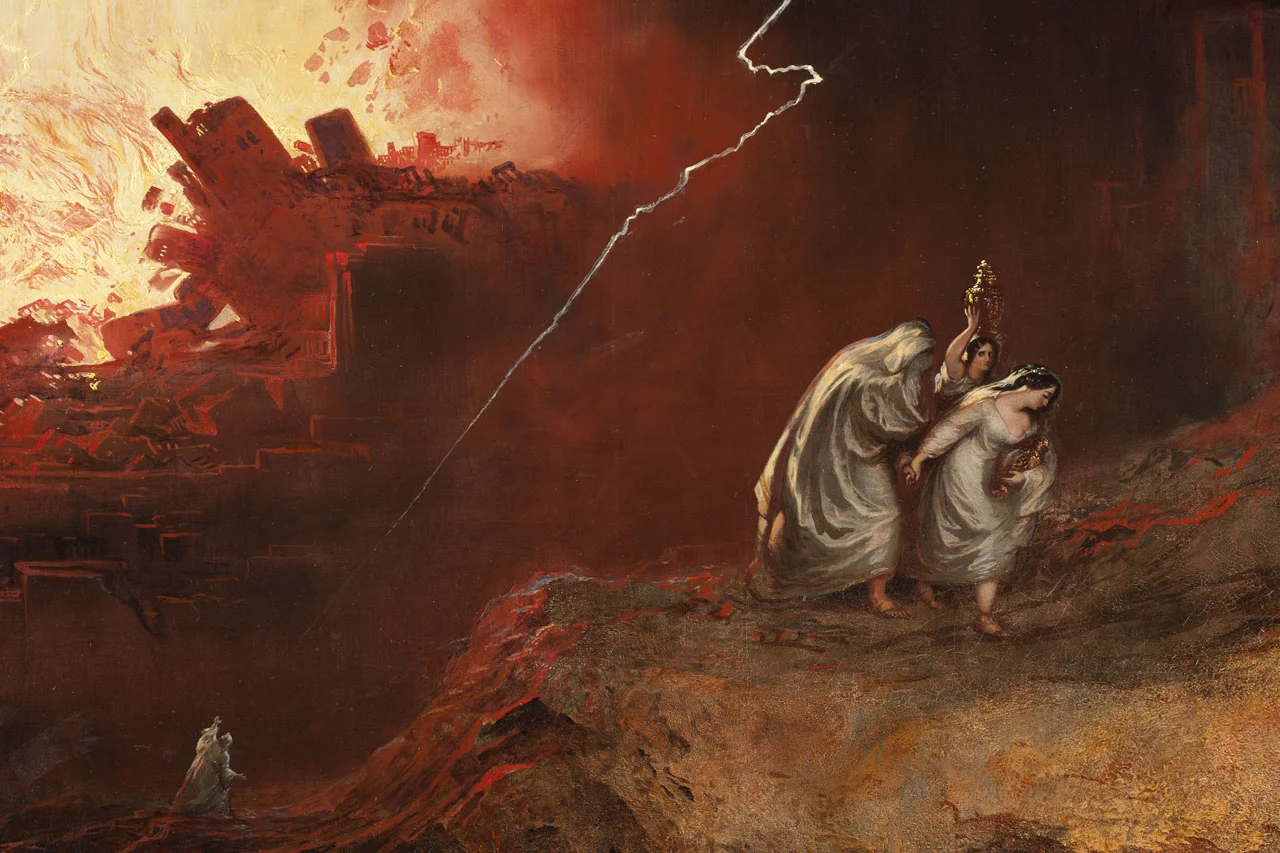
Two travelers, strangers, or vagabonds (let’s call them angels), were sent from God to Sodom and Gomorrah to warn Lot of these cities’ destruction. Yet the cities turn on those angelic beings and wish to gang rape them. This is not correct hospitality, this is not Love. We all would agree that this is wickedness. Moreover, the laws in Leviticus and Deuteronomy say that males having sex with one another is punishable by death! As is bestiality, adultery, and incest. This too is not Love. And what about our brother and saint, Paul. Going back to his Greco-Roman context, St. Paul sees the Roman elites exploiting the human and divine body. He sees men and boys being sold into sex slavery--being forced to “lie with” other males of a higher social status. Again, this is impure and not Love. These scriptures condemn such homo-sexual and perverse acts rightfully so because they do not represent God’s Love and they go against God’s nature.
Yet this ‘God nature’ has also been used unjustly to condemn LGBT people. But what is this nature, and how does it relate to LGBT people?
This nature is within us because we are created in the image of God. That image of God as Good; and what is that good? Love is Good and God is Love. Theosis is the process of becoming this Love.
To be formed in the image of God is an ongoing process.
To be, is. It is a becoming of God.
I think of it as the future of humanity’s past meeting us in the present.
Therefore we are created in the image of God,
We are being formed in the image of God.
We are being. Formed in the image of God.
Entering into theosis is a process of God becoming God-self within and through us and our humanity. It is then important to hear what and who God calls our inner true nature, our God nature, to be. Now, let me be clear. Love of Self does not equal a love of God. But a love of God does lead one to a love of an egoless self--a love of our human divinity that is our imago dei.
But what if God, through your inner nature, told you that you are gay, lesbian, bi, or transgender? What if being and becoming God is calling you to a communion with Christ by acknowledging your true nature of attraction? All of our inner natures have been nurtured by God, by divine Love. And LGBT Christians are called to their true nature of attraction. Therefore, humans--including LGBT people-- trans-gender by falling in Love with Christ. They trans-cend or go beyond gender by falling in love with Christ and experiencing Christ’s Love for them. It is not the attraction to a specific gender that is natural, but rather the attraction itself. This can be seen by King Solomon, yearning for his groom, while also extolling the beauty of his bride. It is this yearning, it is the cleaving, it is our Loving attraction to God and Christ that is natural and sacred.
Thus, we know how to love because we are loved by Christ; and one of the ways that we humans express Love is through Sexuality.
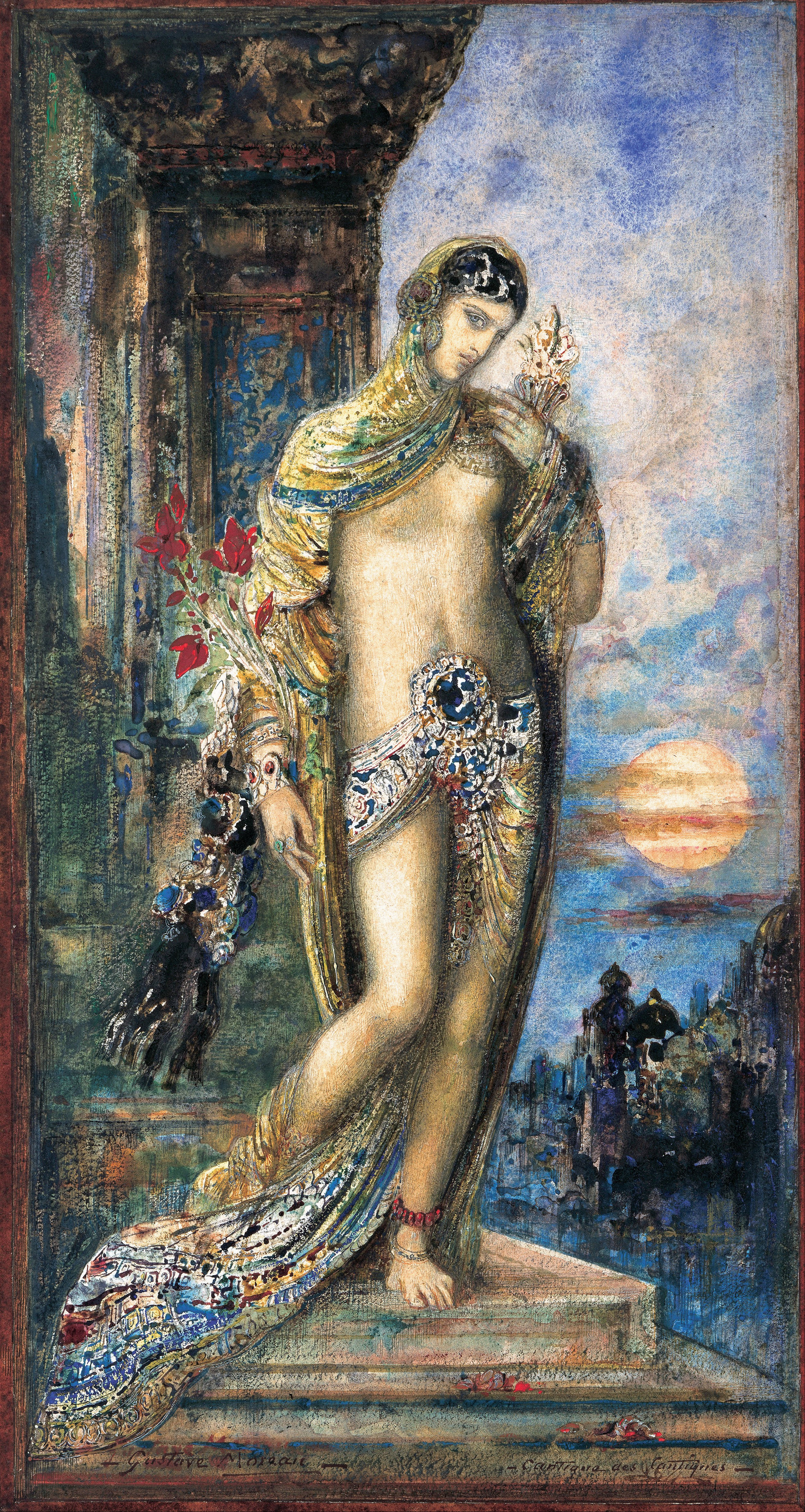
Gustave Moreau: Song of Songs
The Church’s understanding of sexuality is deeper than mere sexual acts because of this emphasis on love. Human sexuality represents a divine love that is shared between two humans for the glory of God. It is a “spiritual energy, an inherent God-given force…” Our sexual love is a way of connecting to the divine and the divine connecting to us because our “sexual powers involve our whole personality, rather than being a mere function of the biological organism.” Sex is beyond the natural realm of God’s creation and biological makeup because it is a practice that helps one go beyond the self and the self of the other person, for the purpose of entering into self-transcendent ecstasy.
This is what I call Erotic Theology. And the Orthodox Church already teaches this, but I am inviting them to practice it--through allowing LGBT people to marry.
This whole argument hinges on one major ethical issue, that people are not allowed to express themselves sexually outside of a marriage. Therefore, without LGBT Christians being allowed to marry, neither they nor the Orthodox Church can enter into theosis.
Marriage is the key that unlocks the door to God’s kingdom regarding this issue. It is the sacrament that allows couples to experience theosis because of the love that they share with one another and God. It reveals the heavenly kingdom through the unification of two people. The role of the other person in marriage is to be a mirror image of Christ’s life-giving and life-affirming revelation. It gives one ultimate freedom through love while also giving one the supreme responsibility of being apart of and completing another human’s life. The sacrament of marriage leads an individual or a couple into salvation through love of God and one another.
And LGBT Orthodox Christians may participate in this sacrament through understanding their true nature as Love and by practicing erotic theology with their partners. The Church can share this theology with LGBT Christians who are seeking a monogamous holy union with their bride or groom to be.
The Orthodox Church can and should include and affirm LGBT Orthodox Christians through this erotic theology of love. It is crucial for the church to understand that LGBT couples want to love one another, not simply have sex. And the Church has this opportunity to share with LGBT couples their erotic theology so that LGBT Orthodox Christians AND the Orthodox Church may enter into theosis together. By holding the LGBT Orthodox community up to the same standards as heterosexual Christians in regards to sexuality and eros, the Orthodox Church can be inclusive of LGBT Christians and use this erotic theology to help lead them into salvation and sanctification. The Church can teach them about Christ’s Love by showing them Christ’s Love.