Killing the Omni-god: Part One
When I talk to people about God and theology, I always seem to run into what I call omnitheology. Omnitheology is a Christian system of theology that has been around for centuries. It is the belief in the holy trinity of characteristics normally attributed to God: being omniscient, omnipotent, and omnipresent. It is the basis of a lot of theology, both doctrinal and personal, that in my opinion have been utterly destructive for the true teachings of Jesus Christ. In a series of three posts, I plan on deconstructing, hopefully destroying, and resurrecting or reconstructing the omni-god so that Christians may be able to use the ideas of omnitheology without relying on its more traditional and very outdated understanding.
First let us deal with omniscience, the know it all god. The etymology of this label breaks down into two latin words: omni being or related to all or everything, and the verb scire meaning to know. A modern Merriam-Webster definition of omniscient therefore is: having infinite awareness, understanding, or insight; or as related to God or religion: possessing universal or complete knowledge.
Omni: all Scire: to know
The argument some non-believers bring up regarding God’s omniscience almost always revolves around theodicy—the “why does God not stop suffering if God knows all and knows what will happen.” Part of this question deals with the omnipotent god, which is addressed below, but as for the other part it already presumes that God is omniscient. “…God knows all and knows what will happen.” Let us first presume that God is indeed omniscient and knows all that has happened, is happening, and will happen.
God then knows the past, present, and future unto eternity. God knows not only everyone’s past and current sins, but God also knows our future actions. This sounds too much like predestination, especially if we throw omnipotence in the mix regarding God’s judgement and action. But predestination is a Calvinist doctrine refuted by many of the modern world churches. It is a base and unrealistic teaching that has caused the psychological, emotional, and physical torture and abuse of millions of believers. My theology says that God is not omniscient specifically because predestination is not a theologically sound argument specifically in regards to humanity’s own free will.
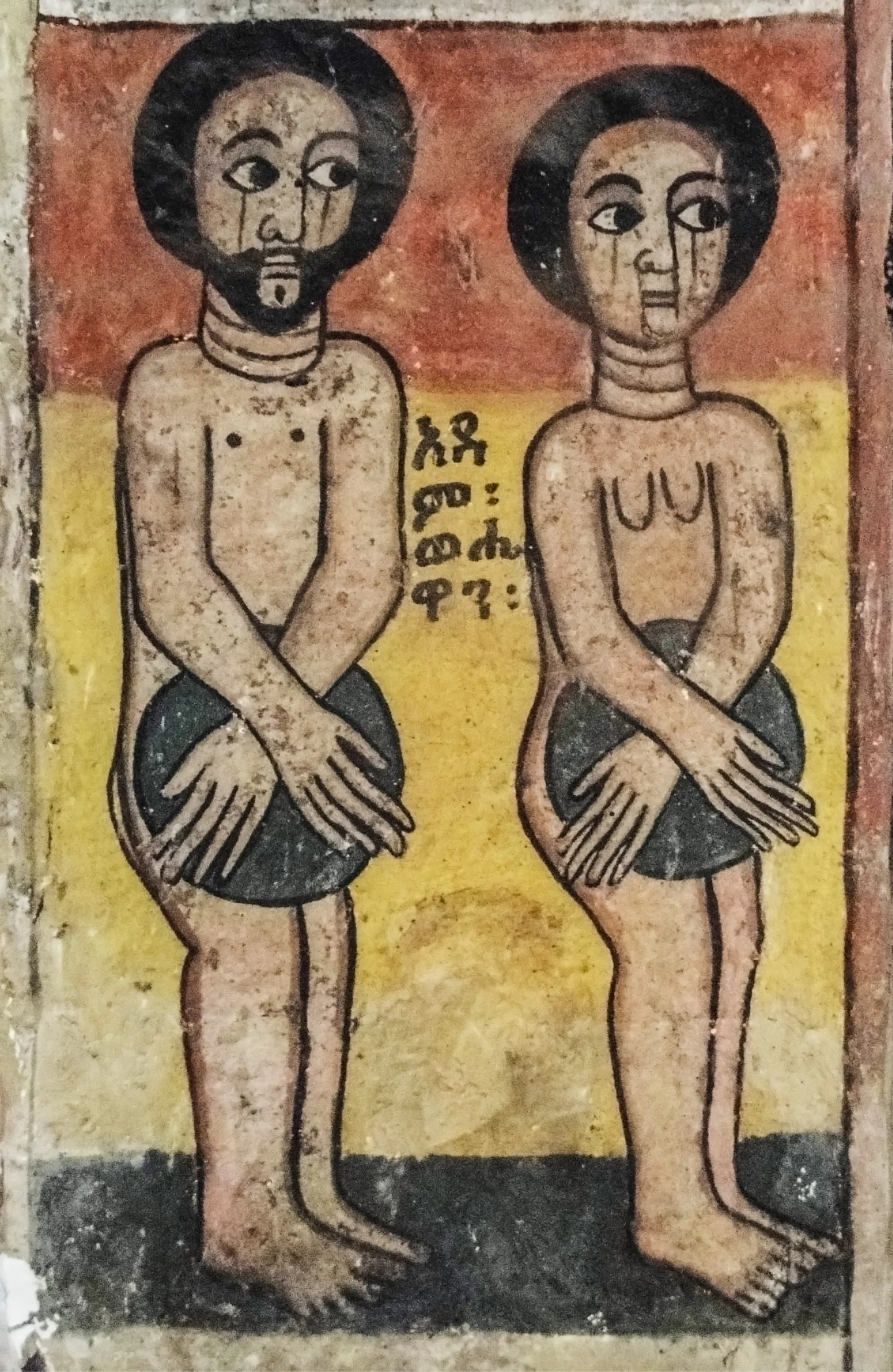
God did not know that Adam and Eve would sin and become like gods. Of course God warned them not to partake of the fruit, but that was not based in God’s own foreknowledge that they would eat the fruit. A warning is never used after knowledge that something will take place has been acquired; it is rather used so that something might not happen; knowing only in its potential of happening, not that it will indeed happen. Prophecy is the same.
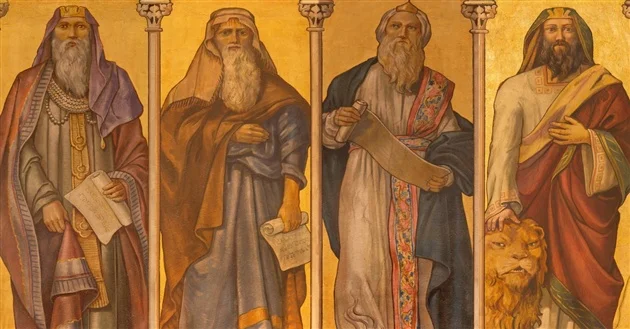
Many prophets of old proclaimed such and such would take place. Is the prophet him/herself omniscient? No, he/she gives a prophetic warnings based on previous human experiences which resulted in punishment or liberation. The prophet sees what is happening currently and has a vision of what could or should happen if the people continue in those ways. It is the free will of the people acting according to the laws and commandments given to them by God or the rejection thereof which brings the results of their actions.
With the doctrine of free will, humans have the God given right to choose for themselves how they want to live and what they do. Many humans decide to do terrible things which cause a tremendous amount of pain and suffering in the world. That is the individual’s (collective or otherwise) decision, and when acted out destroys all of humanity. God therefore cannot be omniscient because God will never know what we are about to do. God can indeed try to warn or show us the causes of others’ actions and decisions through history, but God is unknowing in regards to your next decision, and thus is indeed not omniscient. The omniscient god therefore must die so that the true omni-science of God may reign.
God is not omniscient, but the omni-science of God is irrefutable. Charge me with mere word play, fine, but do not deny the fact that it is a reasonable change in perspective. God is all knowing, but only in the sense of the created universe. As we learned above and in regards to God or religion, omniscience means possessing universal or complete knowledge—I ask, of what then? Creation, God says.
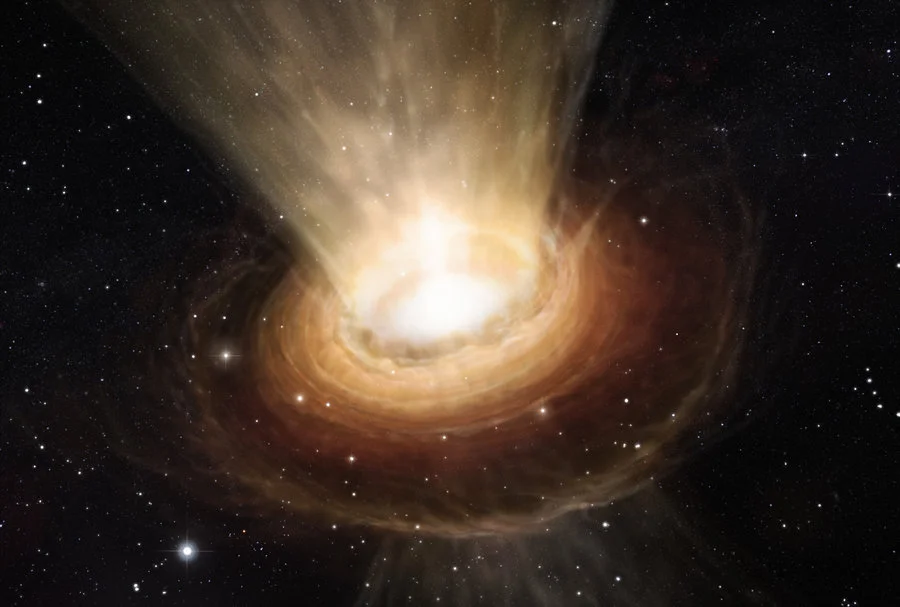
God creates the universe and all of its mysteries. God sparks the Big Bang, knowing that it is good. God creates the energy which sets forth the expansion of the universe. The dark energy and light, the anti-matter and matter, atoms, electrons, elements, all of which is created in the beginning God knows everything about. Each planet, star, solar system, galaxy, and universe God is watching form and expand. Did God know that such events and elements would create life as we know it? Of course, because God is life; existence.
The omni-science of God is the knowledge of the organized chaos around which life has been created. Scientific laws become the new Laws and Commandments of God—new only in the sense of human discovery of them. God knows how this universe works, the science behind it all. Universal knowledge, if you will. The omni-science of God allows humans to know God through scientific discovery. Humans better humanity through science because we are learning what God knows, what God created for us to know. The science community is doing more to learn about the omni-science of God than any predestination oriented pastor that worships the omniscient god ever could. To take science out of the omniscience of God results in bad theology, and worse doctrinal abuse.
Omniscience of God is real, but only in the sense that God knows all about the universe. We too are incorporated in that category, so God knows all about us. However, God does not know what we are going to do next. God does not see our actions before they happen, otherwise (I believe) God would indeed step in to correct them. But even Christ, who was God, could not save himself. He could not change what humanity did to him. It was humanity’s decision to crucify him, not God’s. Thus, God did not save him but rather suffered with him on the cross.
But suffering with Jesus, and all of humanity for that matter, is an idea concerning the omnipresent god. We must, as any good systematic theologian would, wait for the second step of destroying the omni-god, bringing us next to the omnipotent god.